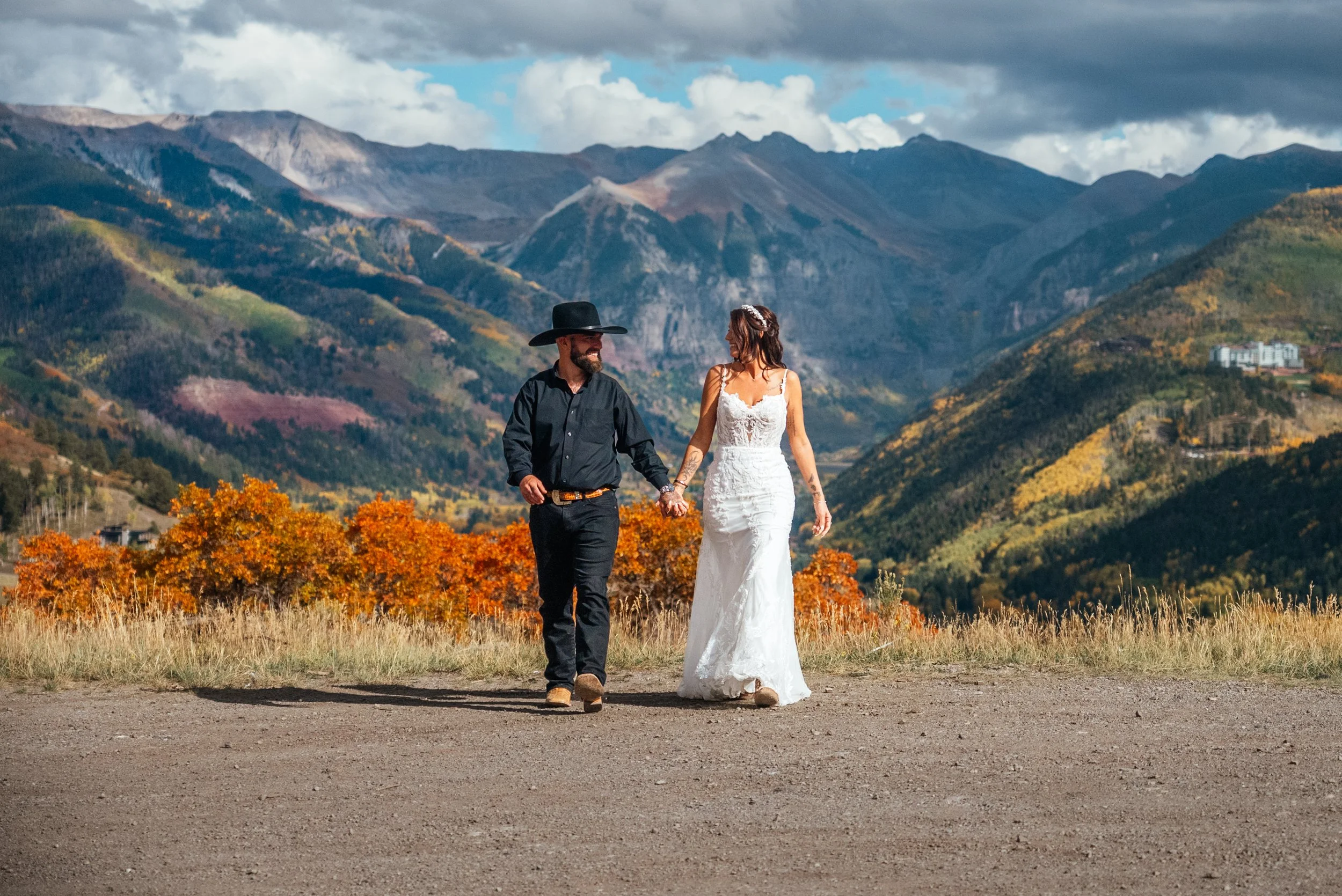
Elope Meaning: What’s the Modern Definition of Eloping?

When people hear the word elope, some may still picture a couple running away in secret, sneaking off to marry without telling anyone, and returning with a marriage certificate and a dramatic story. While that may be the case for some these days, it’s not anything like that for couples eloping in today’s day and age.
The meaning of eloping has evolved over time!
In modern wedding culture, eloping usually means choosing an intimate, intentional wedding experience that focuses on the couple rather than on a large guest list, a jam packed timeline, or outside/societal expectations. It may be private, but it’s not always secret! It may be more simple than a traditional wedding, but that doesn’t mean it can’t still be beautiful, emotional, curated, and deeply meaningful.
This shift matters because more and more couples are asking a very practical question: What does elope actually mean now? If you are recently engaged, researching wedding options and trying to understand whether or not an elopement is the right fit for you or even if you’re simply curious about how the definition has changed over time, this guide breaks it all down clearly for ya!
By the end of this blog post, you’ll understand the traditional definition of eloping, the hip, new, modern definition, what elopements look like today, how elopements differ from microweddings, and why so many couples are choosing this path for their special day! Let’s dive in!
What does elope mean today?
The modern meaning of elope is simple:
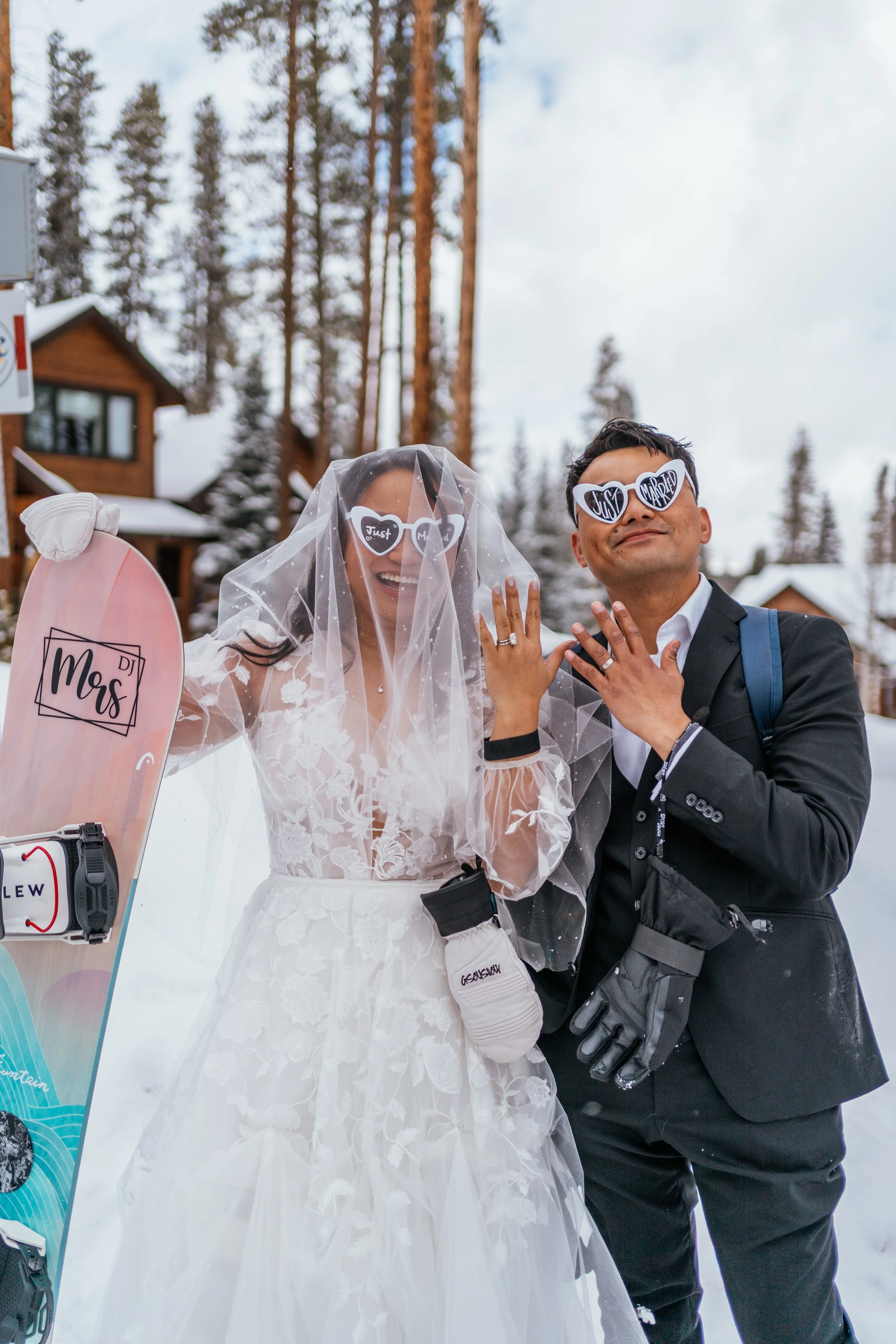
To elope means to get married in a way that is intimate, intentional, and centered on the couple’s priorities rather than on the expectations of a large traditional wedding.
Boom! It’s that easy and straightforward. It’s the most current definition!
A modern elopement often includes:
a very small guest list or no guests at all
a personal, meaningful setting (oftentimes outside)
a relaxed timeline with space to slow down
fewer formal traditions and expectations of others
more focus on the couple’s experience… if not ALL the focus :-)
In other words, eloping today is less about the running away vibe, and much more about remaining intentional and authentic with the choices you make for your wedding day.
For some couples, that means exchanging vows privately on a mountaintop, in a city hall, at a romantic estate, on a coastline, or in a quiet garden. For others, it can mean inviting a few loved ones and creating a small wedding day with peace, beauty, and spontaneity. The common thread though isn’t secrecy, it’s simplicity, authenticity, and emotional clarity.
The traditional meaning of eloping vs. the modern meaning
Backing it up here, historically, the word elope carried a much more ~dramatic~ meaning. It suggested that two people had run away together to marry, usually without familial approval and without telling any loved ones. In older usage, eloping implied secrecy, rebellion, and sometimes even scandal! Gasp!!
This traditional definition still influences how some people use the word today (although the shift is happening!). This is why couples who say they are eloping sometimes get responses like:
“Wait, are you doing it in secret?!”
“Are your families okay with that?!”
“So you’re not having a real wedding??”
“Does that mean you’re just going to the courthouse?!”
Those assumptions come from the older definition, not the modern one! If you have someone in your life now that says they’re eloping, don’t ask them these questions!
The modern definition is broader and honestly, way more of a positive than the negative undertones it previously had. No scandals here!
These days, most people in the wedding world use elopement to describe a wedding that is intentionally small and deeply personal. It can be spontaneous, but it can also be carefully planned. It can be lowkey or elegant (or both!). It can be private, or have a small group of loved ones along for the ride.
So while the traditional meaning of eloping was “running away to marry,” the modern meaning is closer to this: choosing a wedding that feels true to who you are, without the weight of unnecessary tradition or performance.
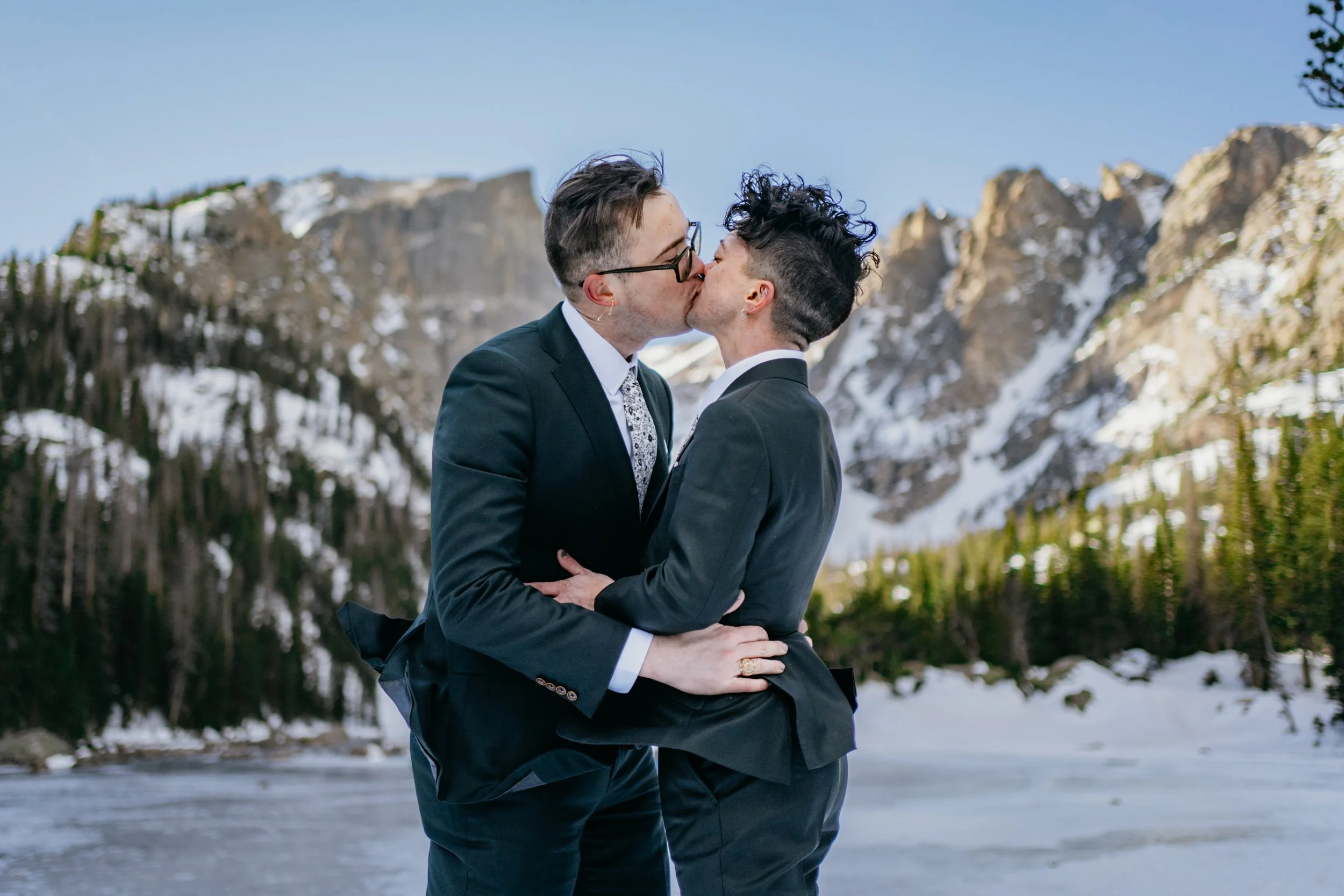


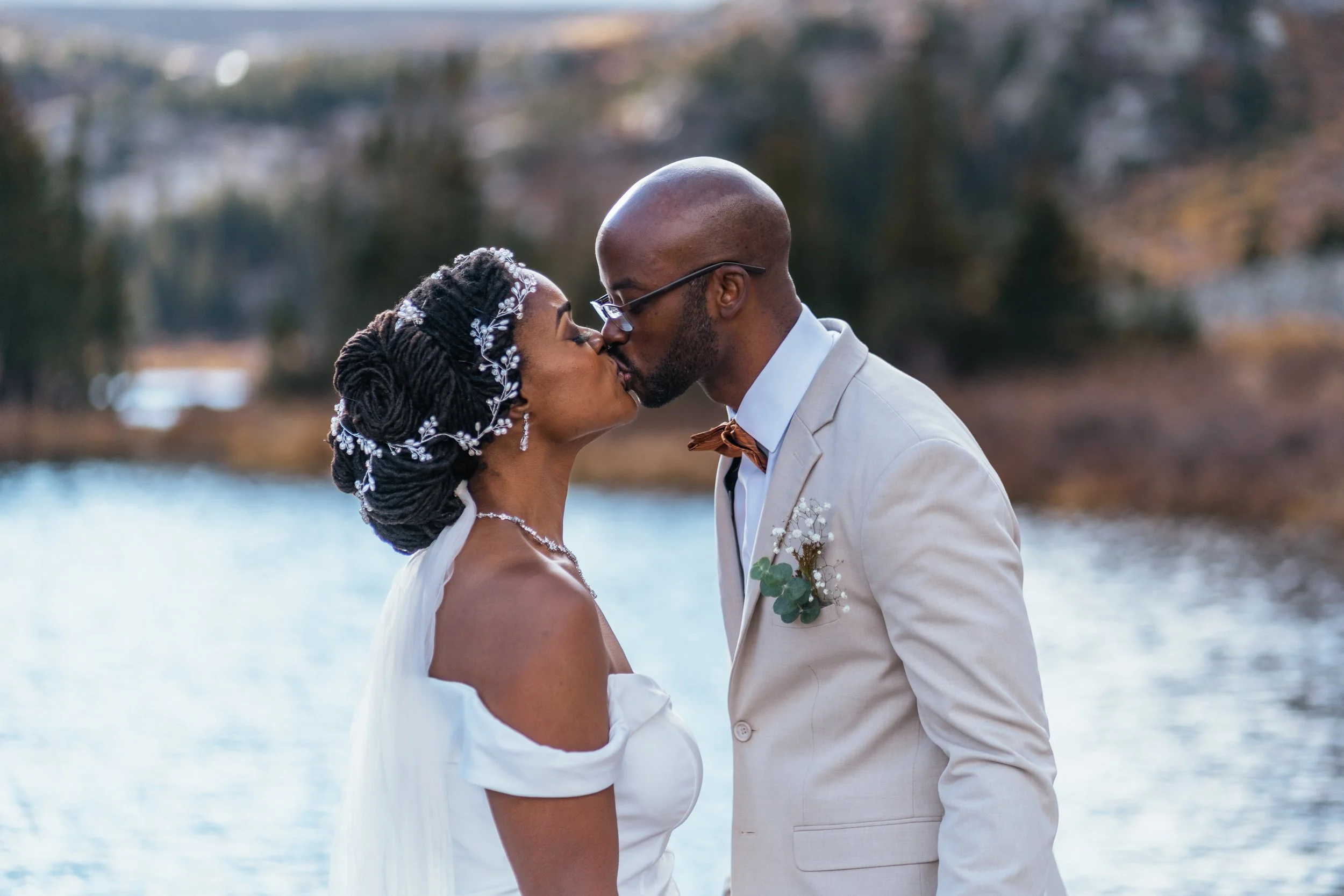
Why has the definition of eloping changed?
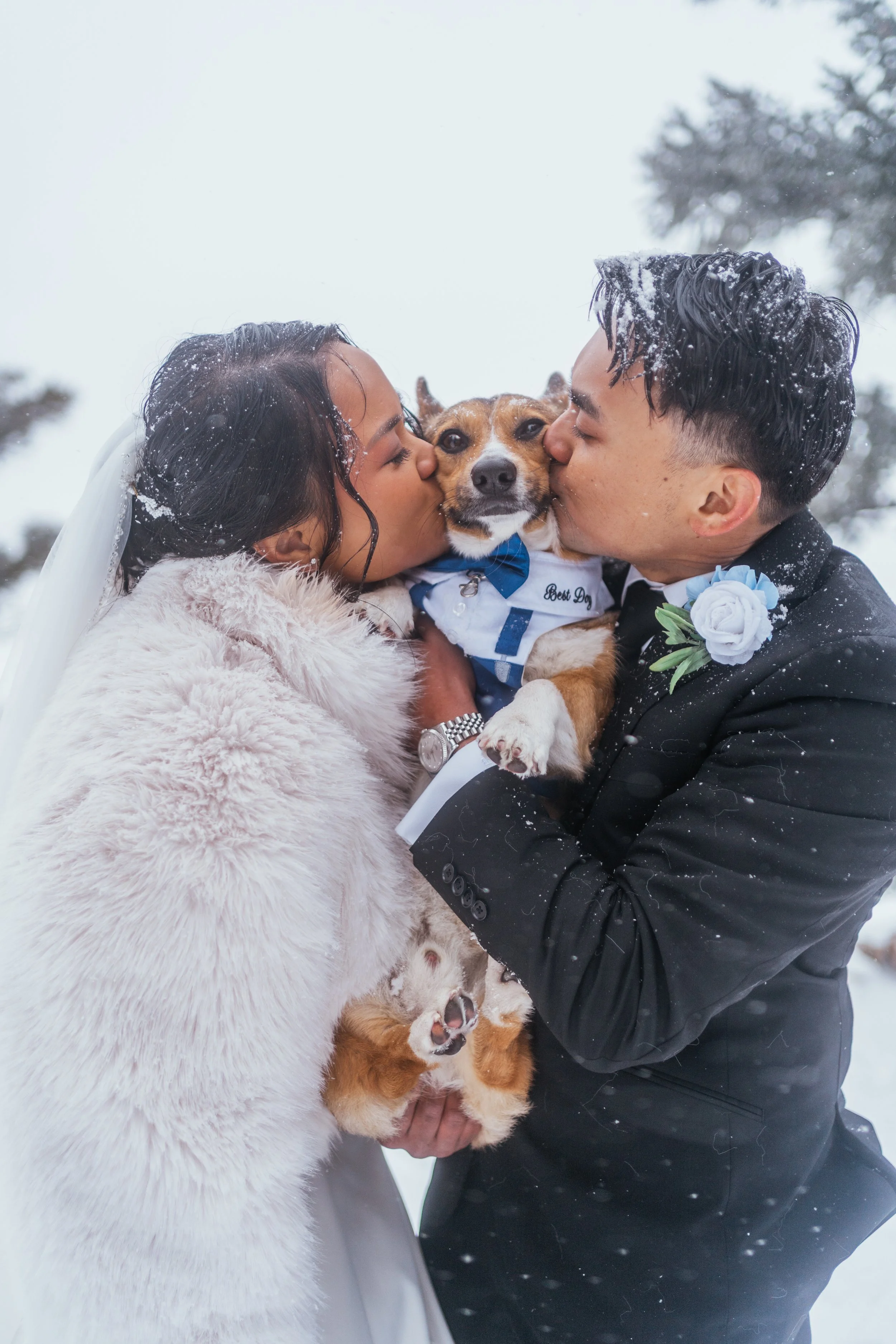
People evolve, practices evolve, language evolves, and honestly, the wedding industry has evolved!
For SO long, the default idea of a wedding was a large, formal, and highly structured gathering. Couples were expected to host a full event with a ceremony, reception, guest list, catering, speeches, dancing, and dozens of logistics, AT LEAST. And if that sounds ideal to you, power to ya, it’s still the case for lots of folks! But for many others, it feels overwhelming, expensive, or not aligned with who they are.
As couples began rethinking what they actually wanted from their wedding day, elopements became more common. Instead of asking themselves, “what are we supposed to do?” they shifting to start asking instead: “what matters most to us?”.
This lil’ shift opened the door to a whole new kind of wedding experience.
Modern couples looking at eloping often value:
quality over quantity
experience over performance
intimacy over obligation
meaning over formality
flexibility over tradition for tradition’s sake
Because of that, eloping no longer feels like a backup plan or a secret compromise. For many couples, it’s the first and best choice.
So, you see my friends, the definition changed because the intention changed! Eloping is no longer mostly about escape. Nowadays, it’s all about authenticity. It’s a decision to build a wedding day around love, presence, and personal meaning.
What counts as an elopement today?
This is one of the most searched questions around the topic (we love people’s curiosity), and the answer is actually, surprise, pretty flexible!
There is no universal legal or official rule for what “counts” as an elopement. Yay- you get to write the rules! No one is out here issuing a guest-count certificate that says a wedding stops being an elopement at a certain number… and why would they?! Eloping usually shares a few core ingredients and the rest is up to you to craft and dream up!
Here are some key ingredients for elopement weddings:
-
Keeping the attendance small or even nonexistent. Some elopements include just the couple and an officiant (in Colorado, you don’t need an officiant or a witness!). Sometimes elopements can include a photographer, videographer, witnesses, or a handful of close family members and friends.
-
Build your wedding day around your values rather than other’s expectations. That might mean writing private vows, choosing an unconventional location, skipping traditions that don’t resonate, or holding space for more meaningful moments.
-
Instead of designing the day around guests, schedules, and formalities, couples often craft their day around how they want to feel throughout it all. Some that come to mind are: Calm. Connected. Free. Present. Adventurous. Joyful.
-
Your day can follow a rhythm on it’s own without having the rigidity of a strict timeline and lots of folks waiting for you, etc. It leaves room for grounding yourself, experiencing the day fully, and of course, spontaneous moments!
-
Y’all, elopements really highlight the main thought of the relationship IS the event! Wouldn’t you want to kick off married life with a day you get to do what you love with your partner in a space that feels good and intentional? Set the tone for your marriage!
All that to say, elopements can vary A LOT. And we really think they should! Just as no two couples are the same, no two elopements should be the exact same either. Craft the day to what you’d like it to be and include details and moments that highlight you as a couple. Whether that’s an adventurous feel, a luxurious feel, or a spiritual and quiet vibe. Again, you write the rules, so make it what you’d like!
So what counts as an elopement? In practical terms, it is a small, personal wedding that puts your love story at the center.
Here’s what putting your love story at the center of your wedding day can look & feel like!
Does eloping mean getting married in secret?
Nowadays, not necessarily!
This is probably the biggest misconception around the word elope. While eloping used to imply secrecy, that is no longer the vibe of the modern definition.
Some couples absolutely do keep their elopement private until afterward! Others tell family in advance or invite a few loved ones to join in on the day. The wedding can still be an elopement even if everyone knows about it! It’s complete personal preference… the way your wedding should be.
A secret wedding can be an elopement (honestly that sounds like a fun vibe). A wedding folks know about can also be an elopement. Secrecy is optional, intentionality is the key here.
Is an elopement a real wedding?
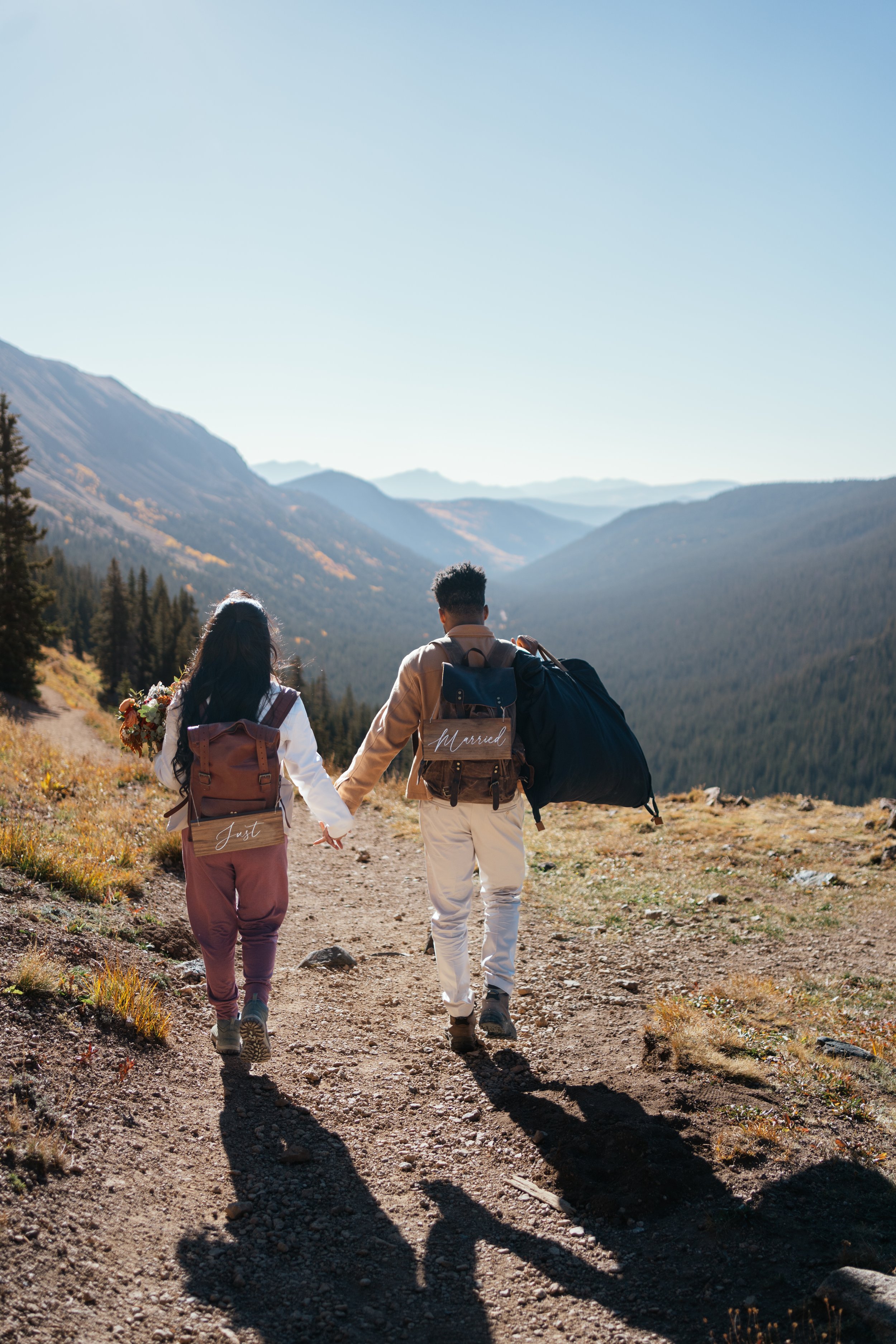
A resounding YES! An elopement is as real a wedding as a traditional wedding!
This question bubbles up because people sometimes can’t shake that “real wedding” equals “large wedding.” But the size of the gathering doesn’t dictate legitimacy. You know what does?? Intention. Commitment; the ceremony (however that looks to you). Your vows to one another. And of course, the legal process.
A wedding isn’t more valid because it has 150+ guests, a dance floor, and a five-tier cake with a DJ?! And it doesn’t become less meaningful simply because it has 2 guests, handwritten vows, and dinner afterward instead of a reception (and that doesn’t make it less special or the people getting married any less loved by their community!).
For many couples, eloping actually allows the wedding to feel more real, not less. Without layers of pressure, they’re able to feel more emotionally present throughout the whole day. They remember the words said, the small details, the pure joy, and their surroundings.
A real wedding is one in which two people commit to each other in a meaningful way. Hard stop.
How many guests can an elopement have?
Again, there aren’t really any strict cutoffs here, but elopements today are typically pretty small. Some folks think of an elopement as involving just the couple, an officiant, and any required witnesses. Others use the term for weddings with up to 10 or 15 guests. Some stretch that definition a bit further.
The exact number doesn’t matter as much as the vibe and what’s included in your day.
If the day still feels private, intimate, and centered around the couple’s love, then heck, you got yourselves an elopement! Once the guest count grows enough that the event starts functioning like a small traditional wedding, people often start calling it a microwedding instead.
A quick breakdown that may be a useful way to think about it is:
Elopement: usually just the couple or a very small number of guests
Microwedding: a small wedding with a more formal structure, often with a guest list that is still limited, but larger than a typical elopement
Traditional wedding: a larger event with more formal structure and guest-centered logistics
The lines are not rigid, I’d say it’s more a spectrum (as most things are), but the experience usually tells you which category fits best!
Elopement vs. microwedding: what’s the difference?
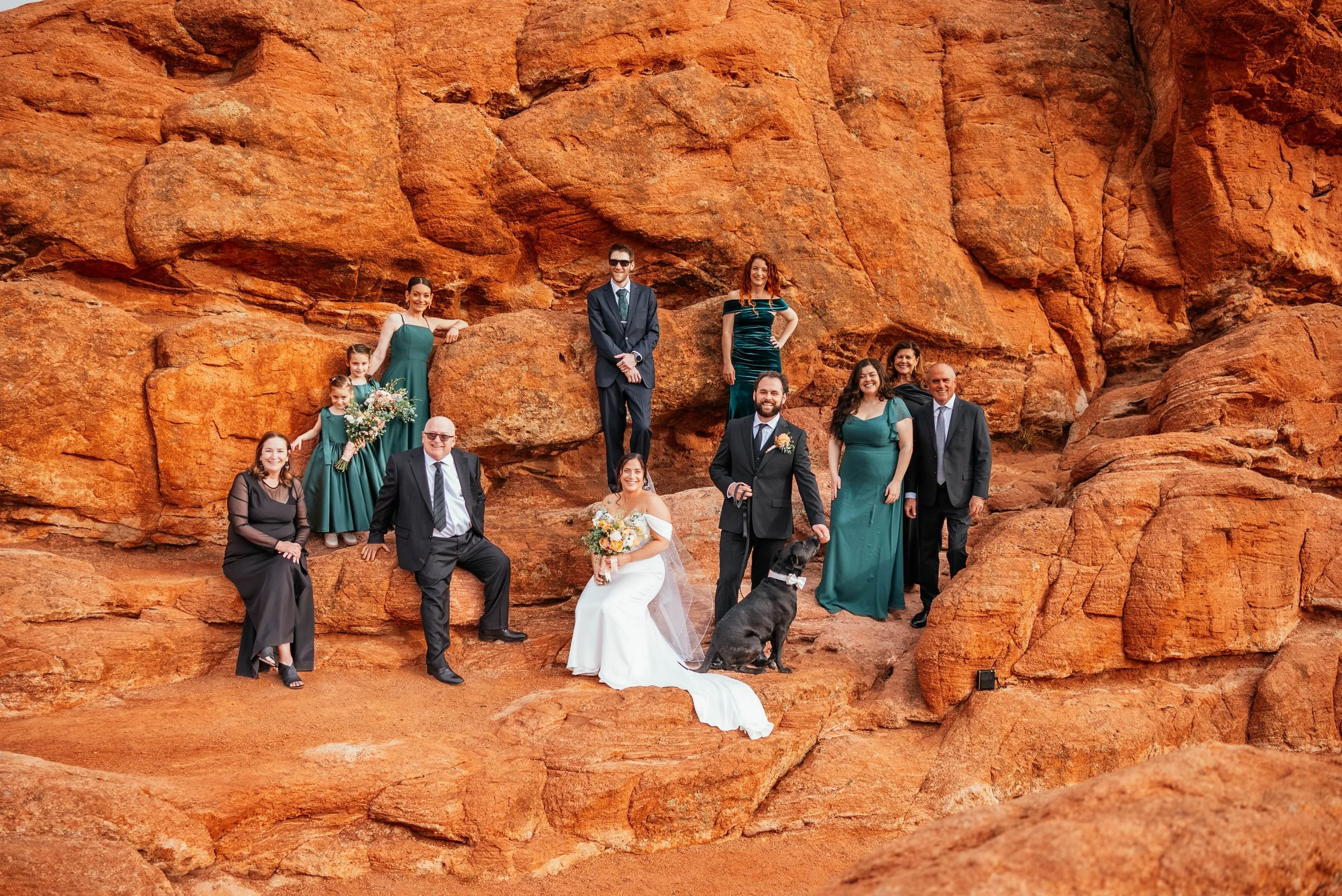
Since the two terms overlap, this is another area of mix-up.
A microwedding is typically a small wedding that keeps many traditional wedding elements, just on a smaller scale! It’s right there in the name, folks :-) It may have a ceremony, dinner, reception, florals, seating, toasts, and a guest list that is intentional, but limited.
An elopement is usually even more stripped down and is more couple-centered. It may have some of the details listed above, but it doesn’t necessarily need them. The structure of the day is often looser, the guest list is smaller if there’s one at all, and the day tends to be built around presence and personal meaning rather than around hosting.
To put it most simply:
A microwedding is often a small traditional wedding. An elopement is often a deliberately nontraditional intimate wedding.
Of course, some weddings sit somewhere in the middle and that’s totally okay! These labels are helpful, but they’re not meant to box couples in. Again, think of a spectrum! Include elements that feel aligned with the day you’re envisioning- whether that’s from a traditional wedding, microwedding, or elopement! If you want to dive in further, check out our blog post on microweddings Vs elopements to learn even more!
Is eloping the same as having a courthouse wedding?
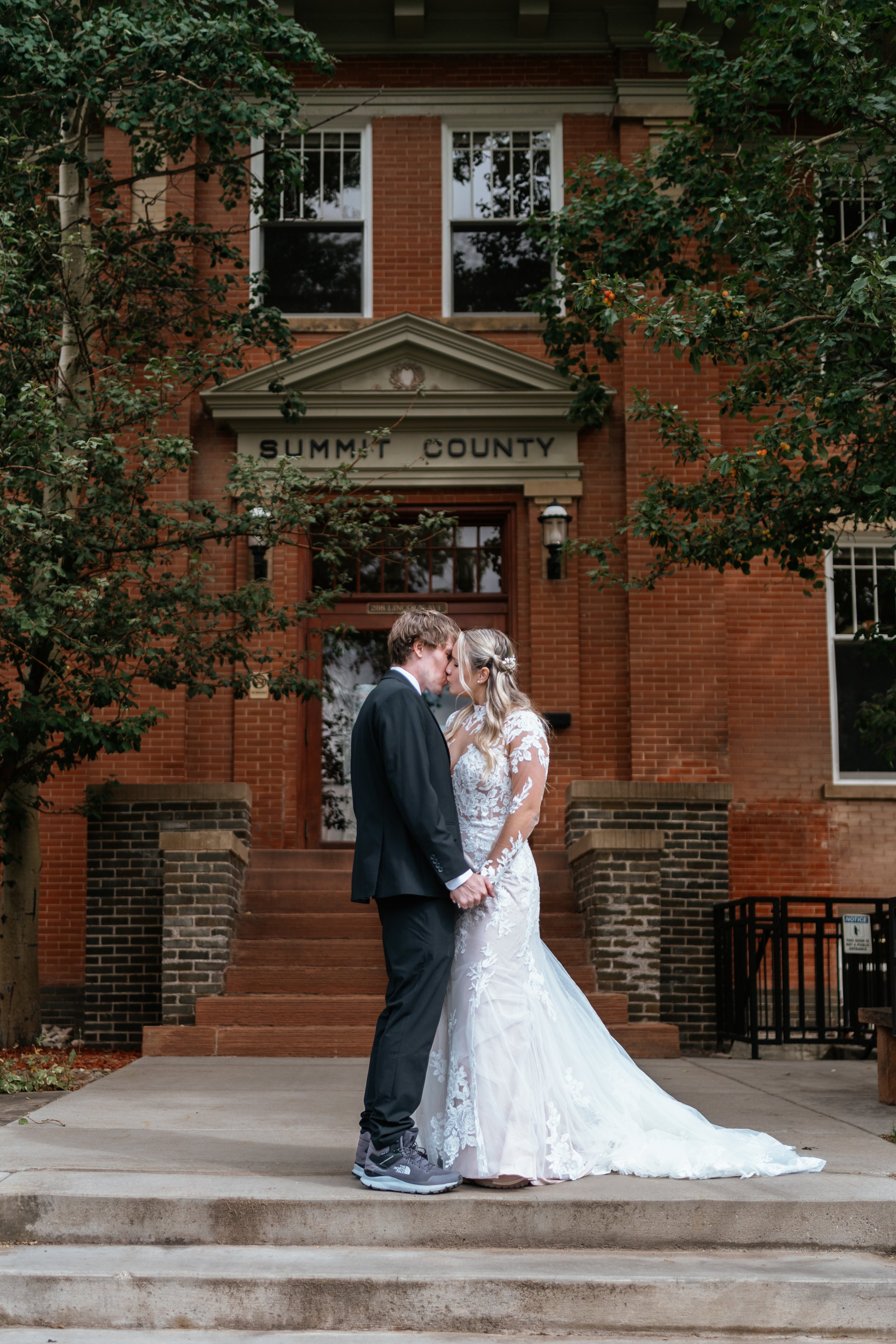
Not always. But y’all are asking all the right questions here!
A courthouse wedding can be an elopement, but not every elopement is a courthouse wedding. It’s like how all squares are rectangles, but not all rectangles are squares… you follow?
A courthouse wedding describes the setting or legal format. An elopement describes the overall style and intention of the wedding. Some couples elope at city hall! Dare we call it a courthouse elopement wedding?! While others elope outside, private spaces, destination settings, or family homes.
Some courthouse weddings are super simple legal appointments with just a little ceremony. Others can be deeply meaningful and beautifully celebrated afterward! Some elopements involve a legal ceremony at a courthouse one day and a private vow exchange somewhere special on another day.
The terms overlap, but I wouldn’t use them interchangeably!
Now, that we’ve cleared the air on these distinctions and questions, let’s dive in deeper on eloping!
Why do couples choose to elope?
Looking at the hip, new definition of eloping makes way more sense when you actually understand why couples are drawn to it in the first place!
Obviously, people elope for many reasons, but A TON of those reasons come back to one thing: they want their wedding day to feel like them.
-
Traditional weddings can come with an enormous amount of social expectation. Guest lists become political (and mother’s get to invite everyone they know somehow?). Budgets stretch. Opinions multiply, for better or for worse! Family dynamics can get sticky. For couples who want a calmer experience, eloping can feel like a deep exhale. At Castlehouse, we are ALL about zero stress surrounding your elopement day. That’s how it should be- exciting, not stressful!
-
Some people simply do not want one of the biggest emotional moments of their lives to happen in front of a crowd. They want privacy, quiet, and the chance to be fully present with each other.
-
Elopements often allow couples to slow down and put emotional significance back at the center of the day. That may mean personal vows, intentional rituals, a meaningful location, or a timeline built around reflection rather than performance :-)
-
A traditional wedding often follows a familiar structure with not a lot of breathing room. Elopements allow more freedom and grounding time. You can marry at sunrise, spend the afternoon exploring, have dinner somewhere beautiful, and celebrate in ways that reflect your personalities not in a time crunch and with time built in to feel fully present the whole time.
-
Not every elopement is cheap, and not every traditional wedding is wildly expensive! But many couples find that eloping lets them spend differently. Instead of paying for a large guest count, they can invest in the parts of the day that matter most to them (maybe videography & photography, perhaps…wink wink).
-
Elopements are all about curating the day to be what you imagine your dream day to be with the love of your life! Starting your marriage in a way that feels authentically you is everything!
Common myths about eloping

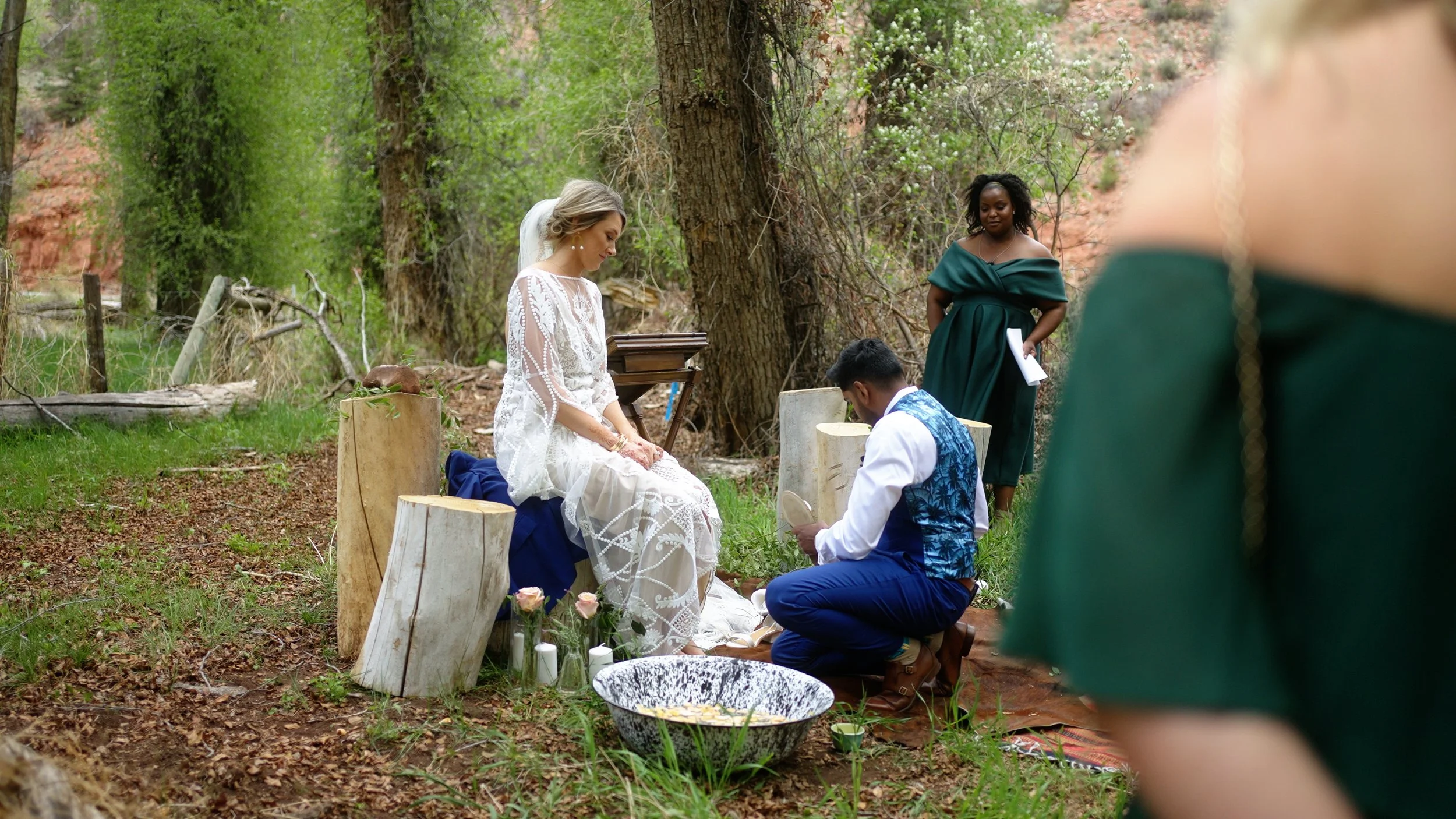
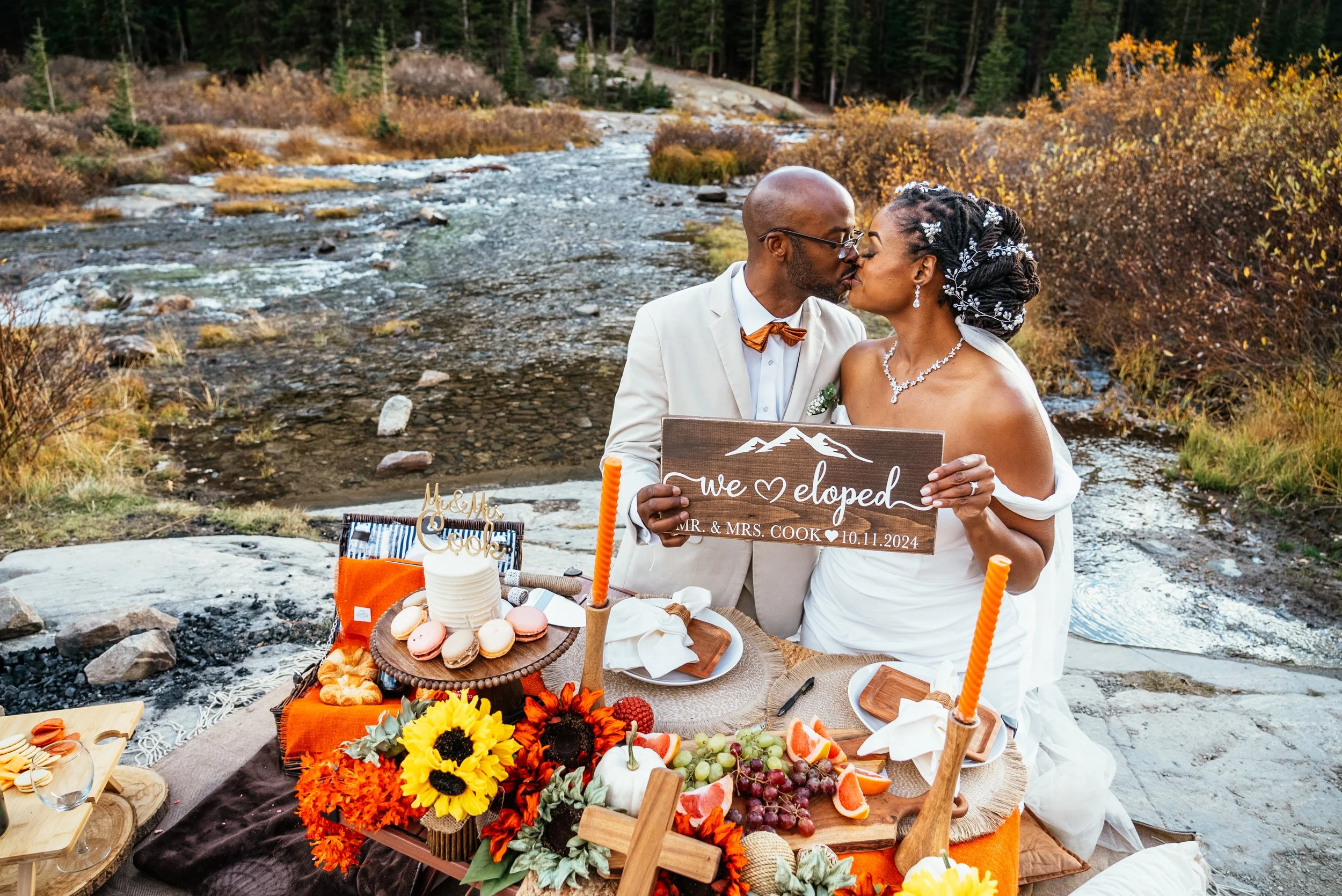
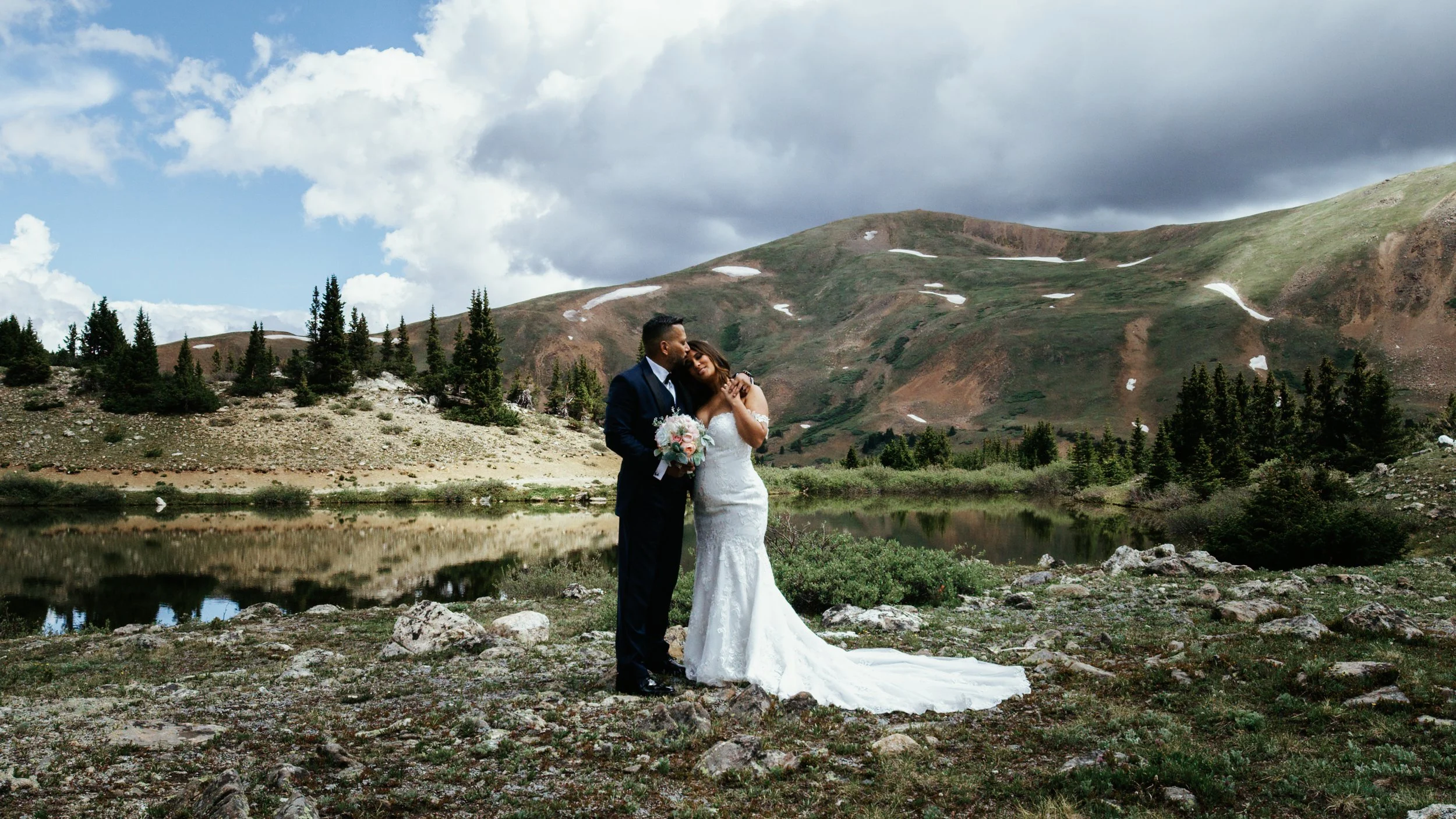
Because the older definition still lingers on, there are several myths surrounding eloping today that deserve to be cleared up real quick.
Myth 1: Eloping is selfish
This is one of the most emotionally charged misconceptions! We fully believe that choosing a wedding style that reflects your values is not selfish. Weddings naturally involve other people, but the marriage belongs to the couple! Wanting a wedding that feels peaceful, meaningful, and authentic is not because you don’t love the people in your life and you’re out to spite them…it’s because that’s what feels like the perfect option for you as a couple!
Myth 2: Eloping means your family is not important to you
Definitely not the case! So many couples who elope have loving relationships with family. In fact, a lot of couples we work with at Castlehouse often times will hold a bigger celebration for their loved ones where they will show their elopement video to invite guests to feel the emotion from their day without physically being a part of it. Couples simply want a smaller ceremony, less pressure on their day, or a different kind of experience that the traditional wedding structure. Some include family in the elopement itself which is a way to go too!
Myth 3: Elopements are rushed or unplanned
Some are spontaneous, sure. Many though are thoughtfully designed. Modern elopements can include beautiful details, meaningful ceremony plans, photography, videography, flowers, fashion, dinner reservations, private music, and carefully chosen locations (to name a few!).
Myth 4: Eloping is only for adventurous couples
Don’t let the internet influence you on this one! Of course, adventure elopements are popular, but not every elopement involves hiking boots or mountain summits. A modern elopement can be anything from elegant, to urban, to classic, to romantic, to artistic, to cozy, to luxurious. It’s a format where you get to pick your own aesthetic (adventurous being one of them).
Myth 5: Eloping is “less than” a traditional wedding
It’s different, not lesser. For the right couple, an elopement can feel WAY more aligned than a traditional large wedding ever could. Just because the size may be smaller doesn’t mean it’s any less meaningful or legit. There’s no wrong way to get married!
Can you elope and still include family?

You sure can!
This is one of the best examples of how the modern definition has expanded. A lot of couples choose to include parents, siblings, children, or a few of their closest friends. That doesn’t automatically make the event stop being an elopement.
If you don’t want to include family, that’s great too! You can include family in other ways, even if they’re not physically present for the ceremony itself. Couples often:
share a meal with family before leaving for the ceremony
host a celebration dinner later that day
livestream the ceremony
invite loved ones to write letters to read on the day
wear heirloom pieces or include family traditions in a simplified way
celebrate with a reception or party after the elopement
To sum it all up here: eloping doesn’t have to mean excluding people from your day. It means being thoughtful about the role people play in your elopement experience!
How to know whether eloping is right for you
Not every couple wants to elope, and that’s completely understandable. The goal here is not to prove that elopements are a better way to tie the knot. The goal is to understand whether they are a better fit for you.
You may want to consider eloping if…
the idea of a large wedding feels more stressful than joyful
you care more about connection and presence than about hosting
you want privacy for your vows
you want flexibility, spontaneity, and a less rigid timeline
you feel excited by the idea of doing things differently and making it what you want
you want your wedding day to reflect your relationship, not societal norms
A traditional wedding may be right for you if:
gathering a larger community feels deeply meaningful
you love the idea of hosting family and friends
you want the energy of a full celebration
the classic structure feels exciting, not restrictive
A microwedding may be right for you if you want something in the middle: intimate, but still fairly traditional!
The best choice is the one that feels most true to your relationship, your priorities, and the kind of memories you want to create :-)
How to plan a modern elopement
Ok, so you’re feeling excited about eloping?! Yay! Good news: modern elopements are often more flexible and can involve less aspects than traditional weddings, which means you can build the day from the inside out and not feel overwhelmed or experience decision fatigue. We (of course!) have a full blog post about How To Elope: A Guide to Planning if you’d like to make your way over there to gather more info! Below is a quick run through.
Start with your priorities
Before choosing a location or outfit, ask: what do we want this day to feel like?
Do you want it to feel calm? Romantic? Adventurous? Elegant? Spiritual? Playful? Luxurious? Minimalist? A mashup?? The emotional tone matters because it will help shape every other decision you make!
Decide who should be there
Do you envision a completely private ceremony? Do you want parents present? A few friends? Children? Start with the emotional experience you want, then build the guest list around that!
Choose a setting that matches the experience
The location should support the feeling you’re aiming for. For some couples, that’s no doubt in nature. For others, it is architecture, history, privacy, or comfort. A meaningful setting that reflects the feeling you want undoubtedly helps transform the day into something unforgettable.

Think beyond the ceremony
What are you filling your wedding day with besides the beautiful ceremony where you marry the love of your life? One of the best parts of modern elopements is that the full day can be designed with intention! You might exchange vows, share a long meal you made together, take portraits, read letters, explore the area via bicycle, have a private first dance, or end the evening with a celebratory dinner.
Keep the meaningful traditions, skip the rest
An elopement doesn’t mean you’re abandoning every tradition ever to exist. It simply gives you permission to choose which matter to you. You can wear formal attire, carry flowers, have cake, hire a photographer, exchange rings, or share a first dance. You can also leave out anything that does resonate with you. Maybe make up your own NEW tradition!
Handle the legal details clearly
If your elopement ceremony will also be your legal wedding, make sure you understand the marriage license requirements, witness rules, and officiant requirements for your location. Colorado requires no witnesses or officiants, something called self-solemnization, which is very cool and makes it a prime elopement location!
Build in room to breathe
One of the biggest advantages of eloping is the presence allowed for you and your partner getting married. So protect that! Do not over-schedule the day. Leave lots of space to reflect, connect, take in the views, and actually experience what is happening.

Why the modern definition of eloping resonates so strongly
The reason this topic matters is not only semantic, it’s emotional.
The modern definition of eloping resonates because it reflects a broader shift in how people think about commitment, celebration, and identity. More couples are willing to question assumptions these days. More people want their values aligned and reflected in their wedding day. More couples want to unapologetically choose intimacy over big gatherings.
That’s why the phrase elope meaning gets searched so often… and why we wrote this whole blog post about it! People are not just looking for a dictionary definition, they’re (you’re?) looking for clarity. They want to know whether the word fits the kind of wedding they are imagining of having.
Eloping today is not a lesser version of a wedding- not in any way shape or form. It’s not always secret or spontaneous or bare-bones. It is, at its best, a deeply intentional way to get married.
Final thoughts: what elope really means now
So, wrapping it up all nicely here, what is the modern definition of eloping?
It means choosing a wedding that is intimate, personal, and focused on what matters most to the couple. It may be private or include a few loved ones. It may be simply designed or more elevated. It may happen at city hall, or outside. Who’s to say but YOU.
What makes it an elopement is not the secrecy, rebellion, or absence of beauty or celebration anymore.
Instead, what makes an elopement an elopement is the decision to put intention over expectation.
For couples who want a wedding day that feels grounded, meaningful, and fully their own, this modern definition is exactly why eloping continues to resonate and evolve!
FAQs about eloping
-
In simple terms, to elope means to get married in a small, intimate, and intentional way. Historically, it meant running away to marry in secret. Today, it usually refers to a couple choosing a wedding experience that is private or low-pressure and centered on what matters most to them and their love story.
-
Not anymore! Eloping can be secret, but it doesn’t have to be. Many modern couples tell family and friends in advance, invite a few loved ones, or celebrate publicly afterward. In today’s wedding language, eloping is more about intimacy and intention than secrecy.
-
Yes, absolutely!! An elopement is a real wedding. A wedding does not need a large guest list or formal reception to be valid or meaningful. If two people are committing to each other in a way that matters to them, that is a real wedding.
-
There is no official rule, but elopements usually have very few guests. We like to ballpark at under 30. Some include only the couple, while others include close family or a handful of friends. Once the guest list grows and the day becomes more traditionally structured, many people start calling it a microwedding instead.
-
An elopement is usually more private, more flexible, and more centered on the couple’s personal experience. A microwedding is still small, but it often keeps more traditional wedding elements, such as a planned reception, seating, and structured timeline.
-
Yes. Many couples include parents, siblings, children, or a few close friends in their elopement. Others keep the ceremony private and celebrate with family later. Including loved ones does not automatically mean it is no longer an elopement.
-
It can be. Many elopements are legal weddings, while others are symbolic ceremonies paired with separate legal paperwork. Whether an elopement is legally binding depends on the marriage laws in that location and how the couple chooses to handle the paperwork.
-
Not exactly! A courthouse wedding can be an elopement, but not all elopements happen at courthouses. A courthouse wedding describes the legal setting. An elopement describes the style, scale, and intention of the wedding.
-
Often, but not always. Many elopements cost less because they involve fewer guests and less large-scale hosting. However, couples may still choose to invest significantly in elopement photography and videography, fashion, travel, flowers, dining, or a special location. Eloping usually changes where the budget goes, not just how much is spent.
-
Couples choose to elope because they want a wedding that feels more personal, more intimate, less stressful, and more aligned with their values. Some want privacy, others want flexibility. Some want to avoid pressure. But most simply want a day that feels authentic to their relationship.